
Hlawga National Park
Wildlife Sanctuary • Nature Conservation • Eco-Tourism
Open Daily (Including Public Holidays) • 8:00 AM to 5:00 PM
A sanctuary dedicated to wildlife conservation, environmental education, and ecotourism since 1982.
Hlawga National Park is one of Myanmar’s foremost protected areas and ecotourism destinations. Spanning 1,540 acres, it serves as a crucial wildlife sanctuary, an environmental education center, and a scenic recreation haven that preserves natural forest ecosystems and the vital catchment of Hlawga Lake.
Conserving Myanmar’s natural biodiversity and vital water catchment.
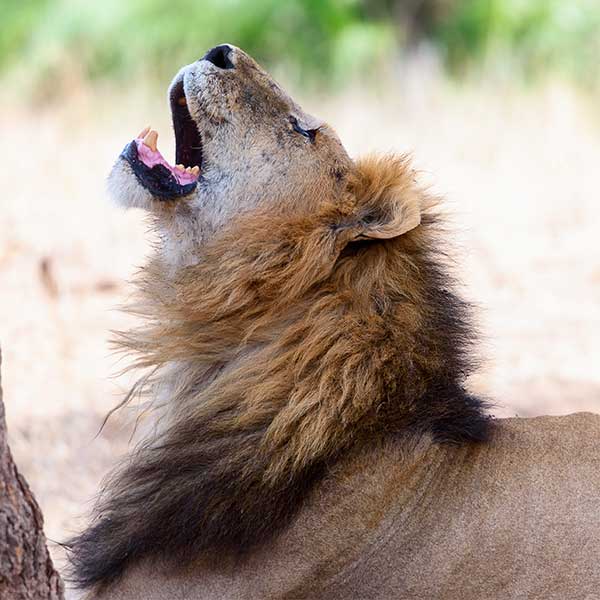
The establishment of Hlawga National Park was initiated between 1981 and 1982 under a joint nature conservation project between the United Nations Development Programme (UNDP) and the Myanmar Government. Following development of its safari zones and facilities, the park was officially opened to the public on 30 September 1989.
Hlawga National Park is situated in Mingaladon Township, Yangon Region, approximately 22 miles (35 km) north of Yangon along the Yangon–Pyay Highway and Htaukkyant–Hlawga Road. The park encompasses an expansive area of 1,540 acres, which includes an 818-acre open wildlife safari zone, a 62-acre mini-zoo, and a 660-acre protected buffer zone.
The park was established with primary objectives: to protect the forested catchment area of Hlawga Lake, which provides vital water resources for Yangon, to maintain indigenous wildlife in their natural habitats, and to create an accessible environmental education and ecotourism center for local and international visitors.
Protecting natural habitats, watershed forests, and indigenous wildlife species.
Preserving the vegetative cover and hydrological integrity of the Hlawga Lake watershed to secure clean water resources and prevent soil erosion.
Protecting indigenous mammal species such as Eld's deer, barking deer, and sambar deer in open, naturalistic safari habitats.
Fostering biodiversity awareness, educational excursions, and sustainable nature-based recreation for visitors and students.
Hlawga National Park shelters a rich variety of native fauna, resident wildlife, migratory waterfowl, and indigenous plant species.
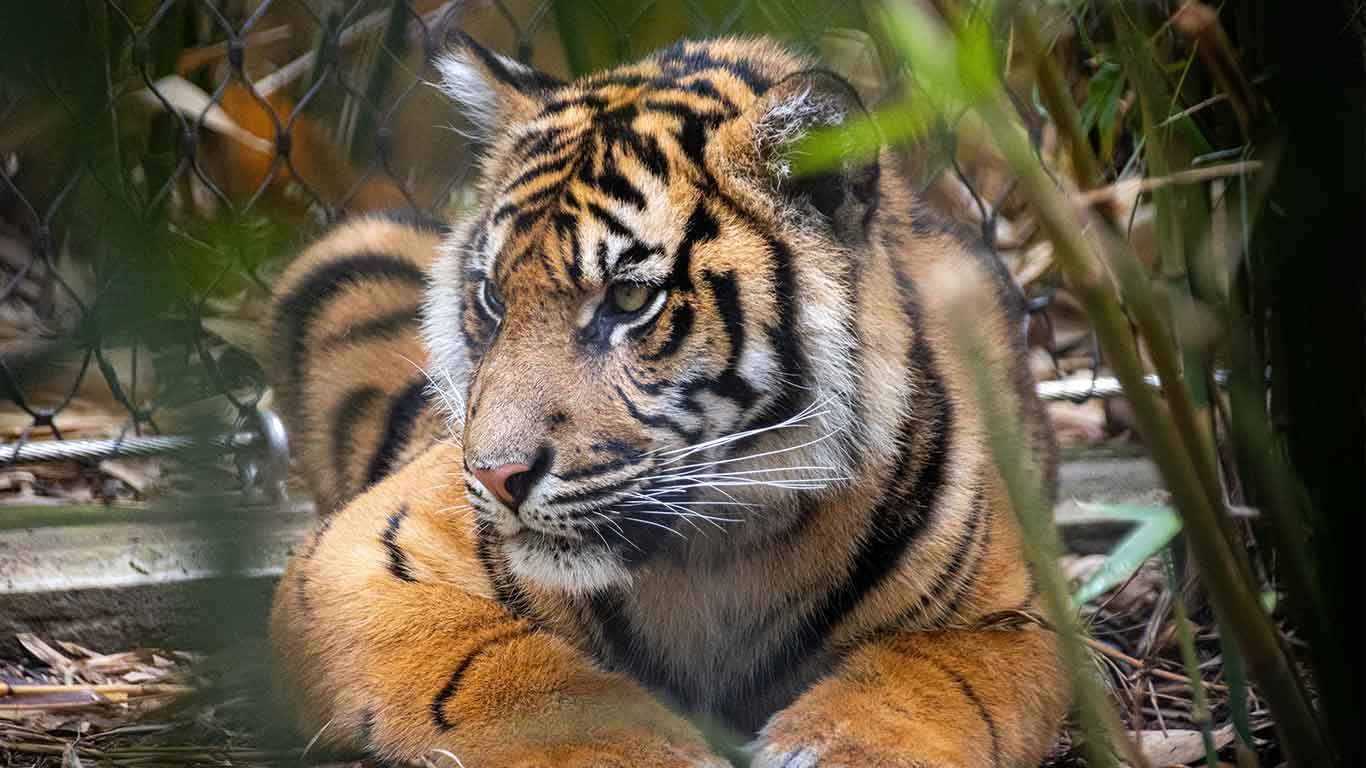
Hlawga National Park is managed by a committed team of forestry officers, wildlife keepers, veterinarians, conservation biologists, and ecotourism staff. Together, they work tirelessly to safeguard habitat conditions, monitor animal wellbeing, and maintain educational visitor trails.
Through regular patrols, habitat conservation projects, and public awareness initiatives, our team is dedicated to preserving Hlawga National Park as a vital green lung and educational sanctuary for future generations.
Explore the Park Visitor Guidelines