
Hlawga National Park
Wildlife Sanctuary • Nature Conservation • Eco-Tourism
Open Daily (Including Public Holidays) • 8:00 AM to 5:00 PM
Explore the safari park, scenic lake viewpoints, trekking trails, and picnic sites across Hlawga National Park.
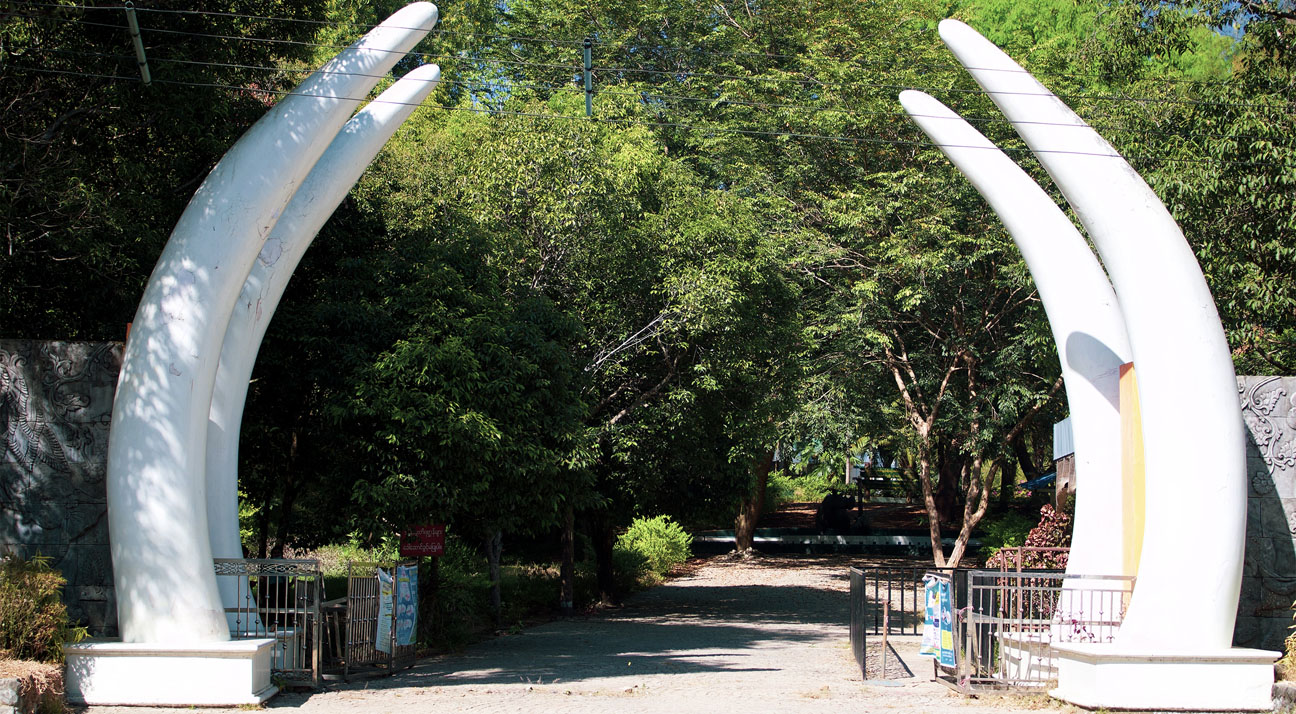
The Mini Zoo at Hlawga National Park features a massive ivory-shaped entrance gateway, spacious wildlife enclosures, an imposing life-sized dinosaur statue, and an educational taxidermy gallery.
Recommended Duration:
45 minutes
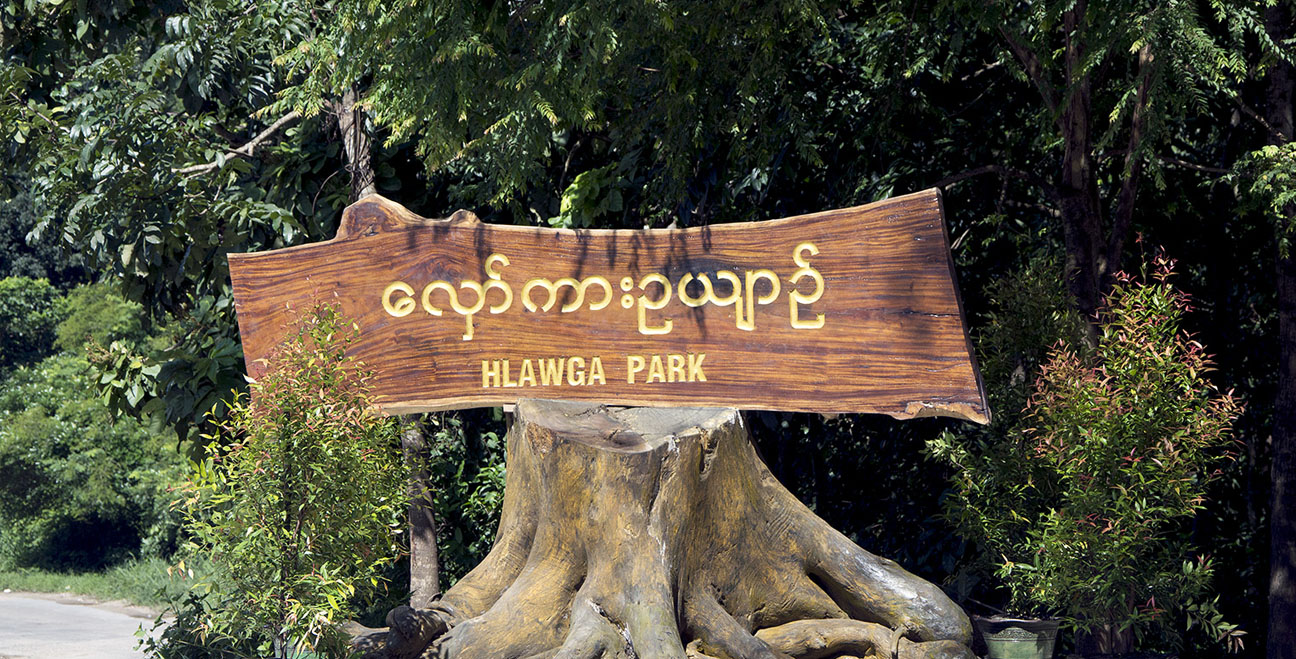
The Safari Park at Hlawga National Park is an expansive natural sanctuary and national heritage landscape where visitors can safely observe free-roaming wildlife, explore serene lake trails, and enjoy diverse outdoor eco-adventures.
Recommended Duration:
2 hours
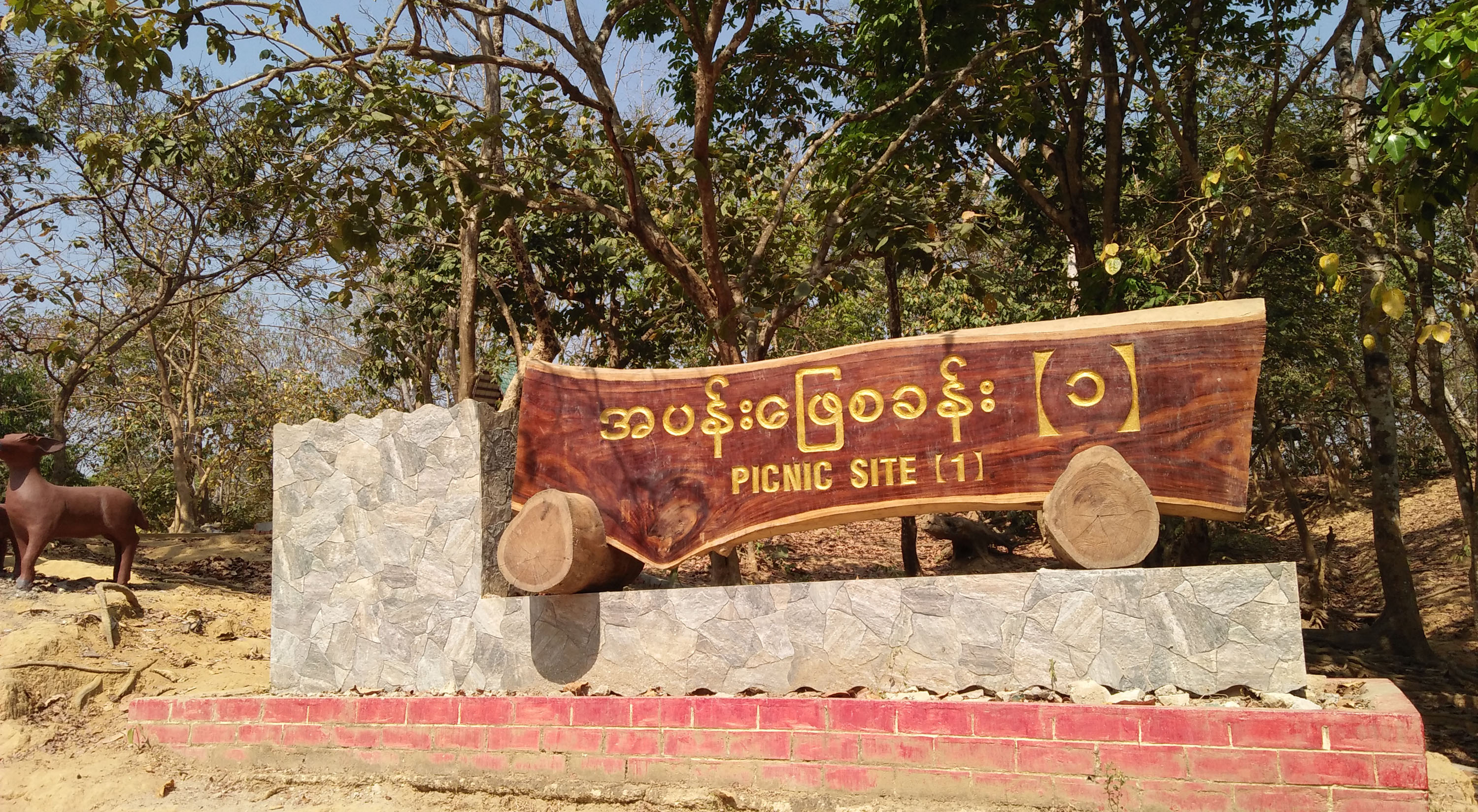
Picnic Site - 1 serves as the starting point for jungle trekking, connects to Picnic Area - 2 via the suspension bridge, and offers weekend elephant rides alongside peaceful forest eco-lodges.
Recommended Duration:
1 hour
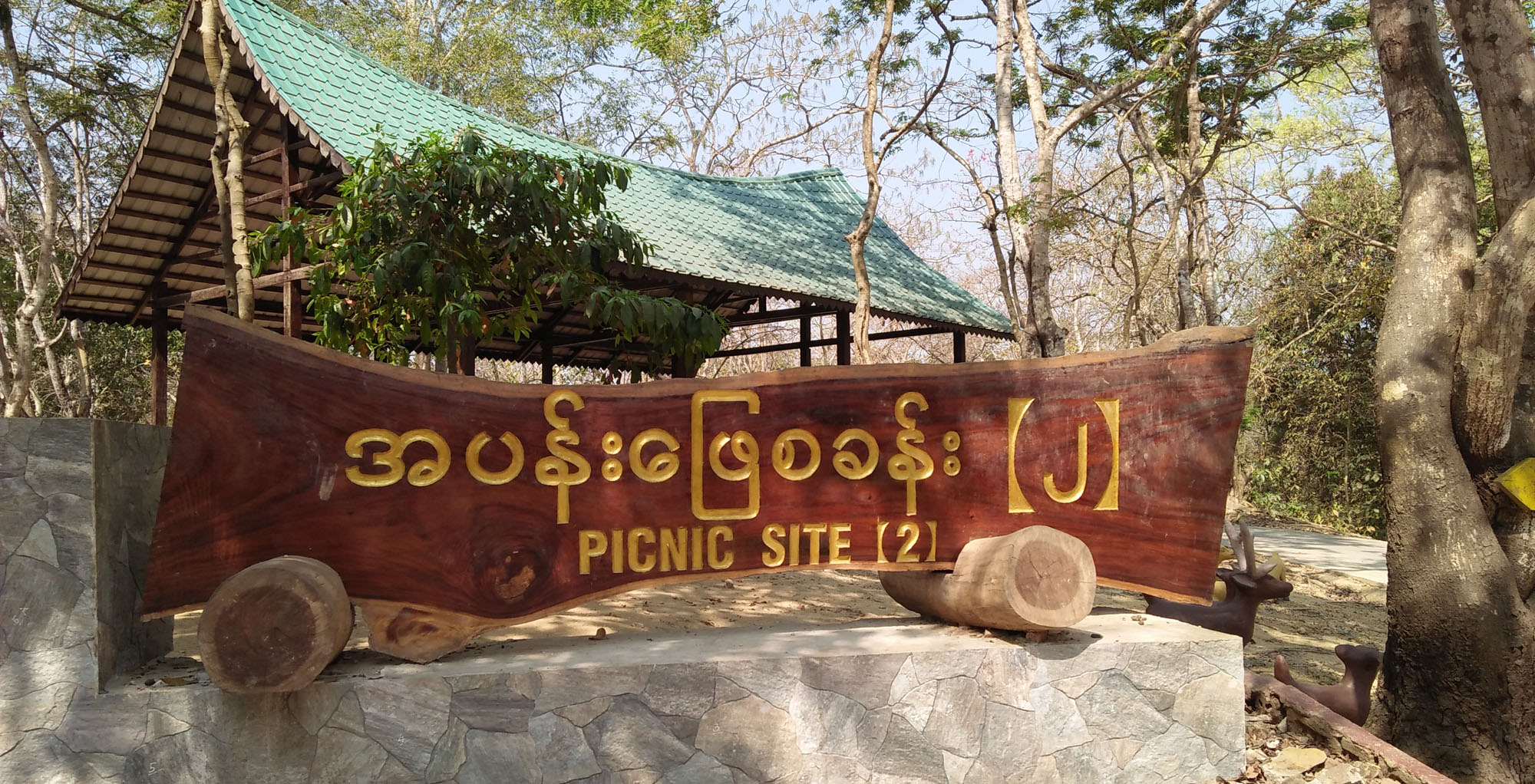
Picnic Site - 2 is one of the largest and most scenic recreation areas in the Safari Park, highlighted by a picturesque lotus lake, lakeside walking paths, diverse dining options, and tranquil forest eco-lodges.
Recommended Duration:
1 hour 30 minutes
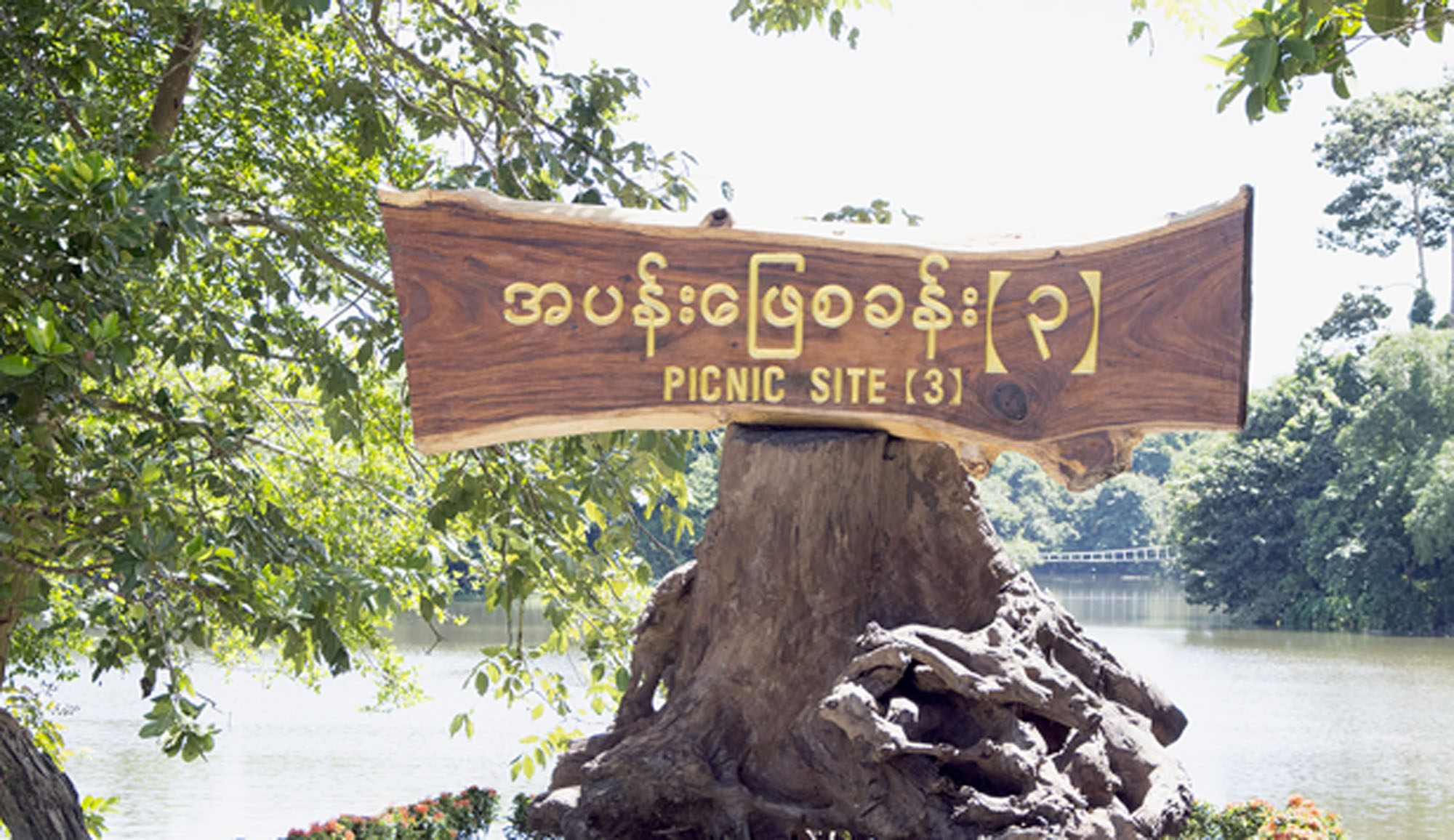
Picnic Site - 3 is a lakeside recreational haven adjoining Kanthaya Lake, offering relaxing wooden docks, affordable boating and pedaloe rides, and the park's primary dining hub.
Recommended Duration:
1 hour 30 minutes
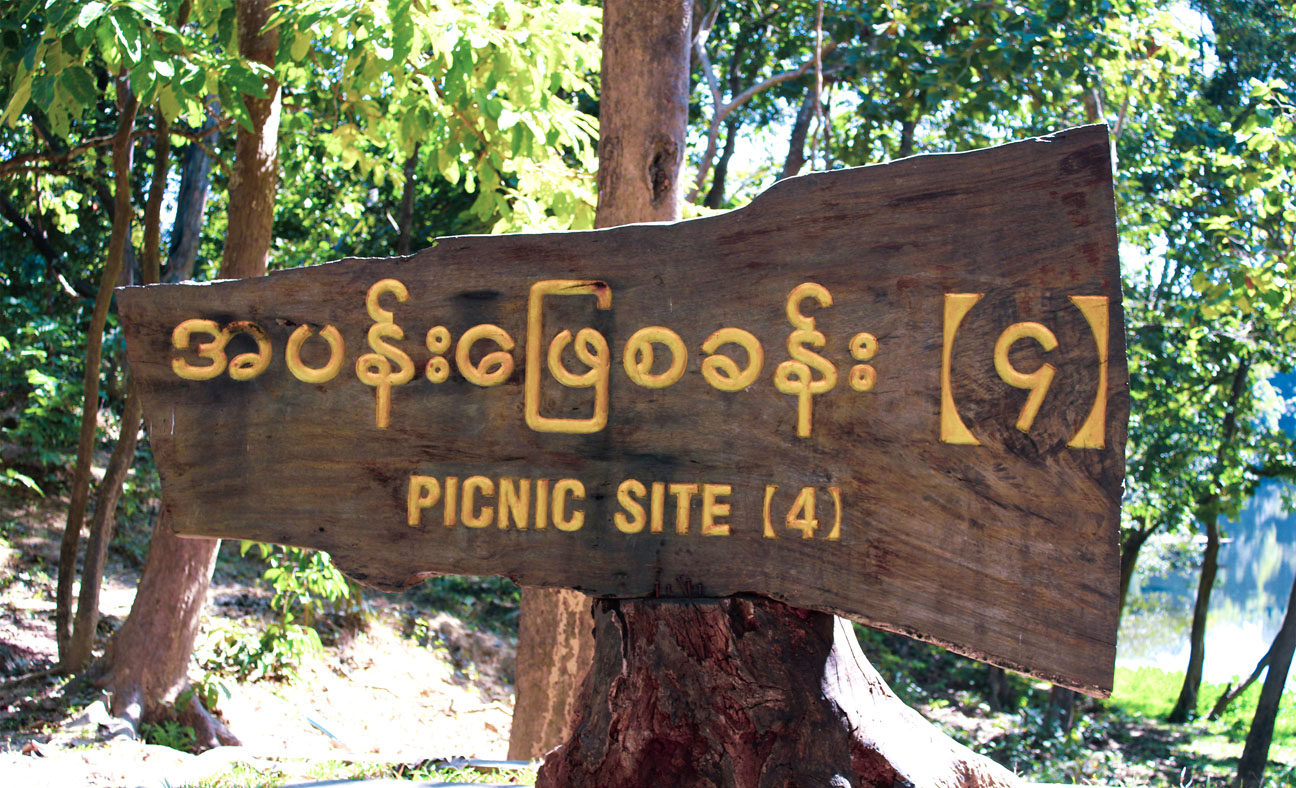
Picnic Site - 4 is the final serene recreational stop in the safari zone, featuring an expansive lakeside wooden dock, three peaceful eco-lodges, and broad grasslands perfect for games, photography, and group gatherings.
Recommended Duration:
1 hour 30 minutes
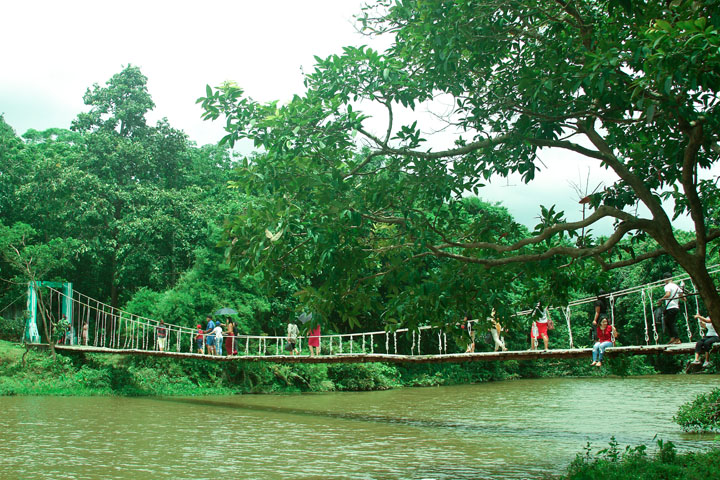
An iconic hanging bridge spanning the lake between Picnic Site - 1 and Picnic Site - 2, offering thrilling scenic walks, sweeping panoramic views, and a sought-after backdrop for documentary photography and outdoor pre-wedding shoots.
Recommended Duration:
30 minutes