Hlawga National Park

Hlawga National Park

Wildlife Sanctuary • Nature Conservation • Eco-Tourism

Open Daily (Including Public Holidays) • 8:00 AM to 5:00 PM

Our Wildlife

Quick Facts

Lifespan

In the wild, they can live for 40 to 50 years, but in captivity, they can reach a lifespan of 50 to 60 years.

Diet

Herbivorous – mainly grasses, occasionally aquatic plants.

Habitat

Rivers, lakes, swamps, and wetlands

Geographic Range

Hippopotamuses are found throughout rivers and lakes across Sub-Saharan Africa.

Hippopotamus

Name Hippopotamus
Scientific Name Hippopotamus amphibius
Length 3.3–5.2 meters
Weight 1,300–3,200 kilograms
Male Maturity Age 6-7 years
Female Maturity Age 5-6 years
Gestation Period Approximately 8 months
Average Offspring Per Birth Usually one calf at a time.
Native Regions Sub-Saharan Africa, including countries like Uganda, Kenya, Tanzania, Zambia, Zimbabwe, Botswana, and South Africa

Characteristics

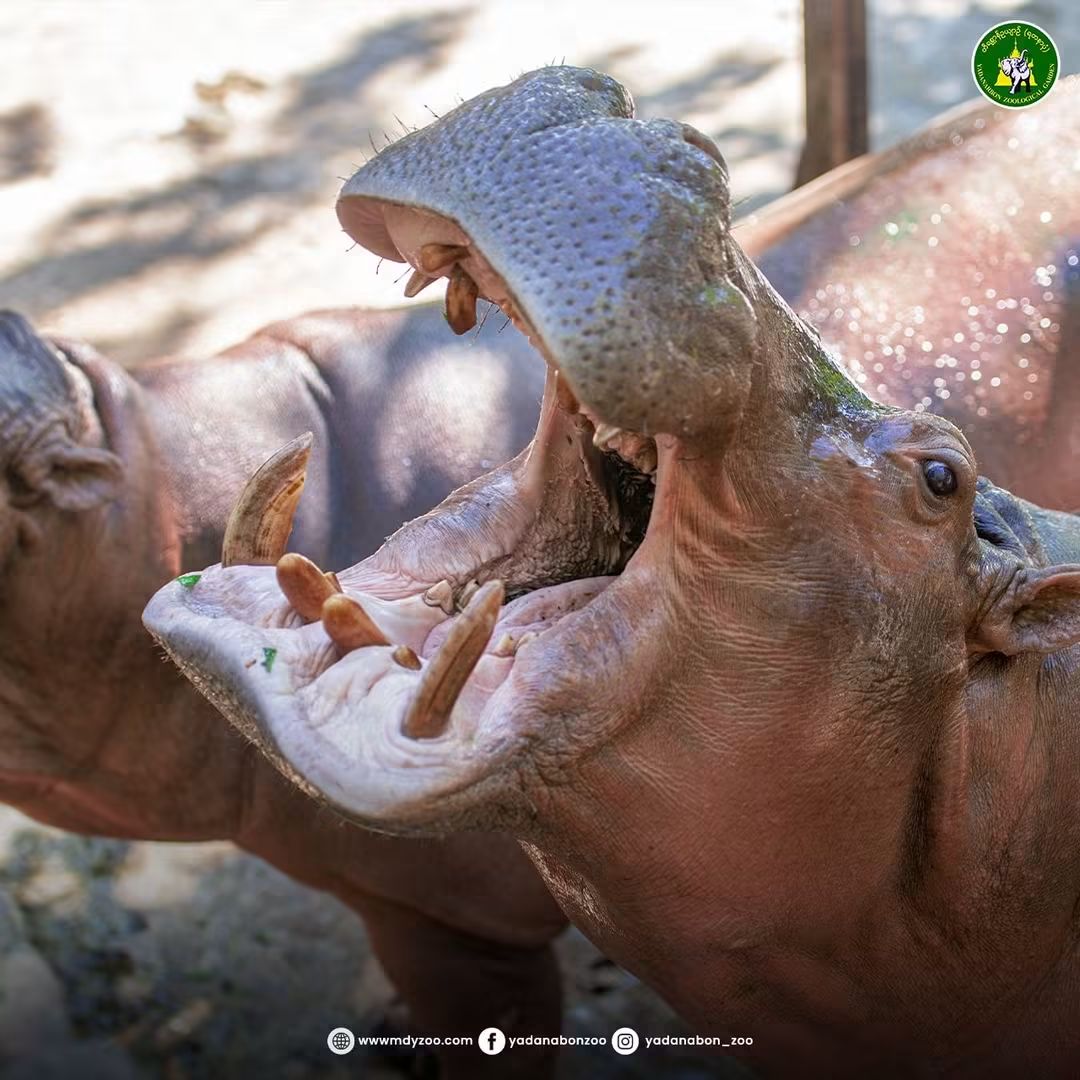
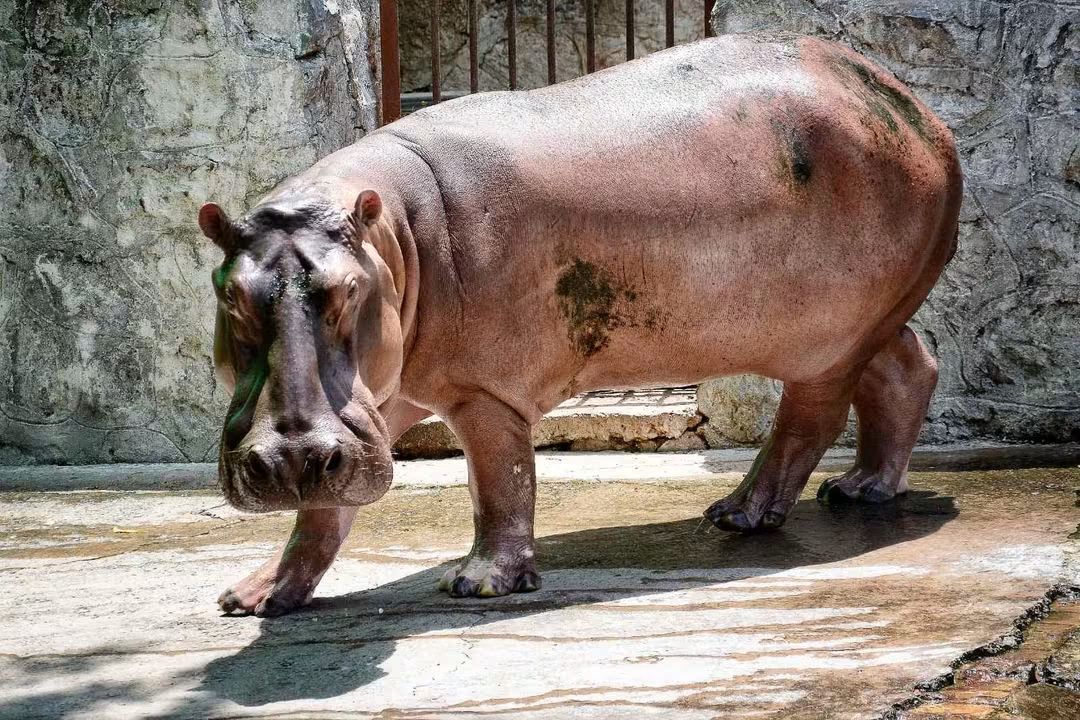
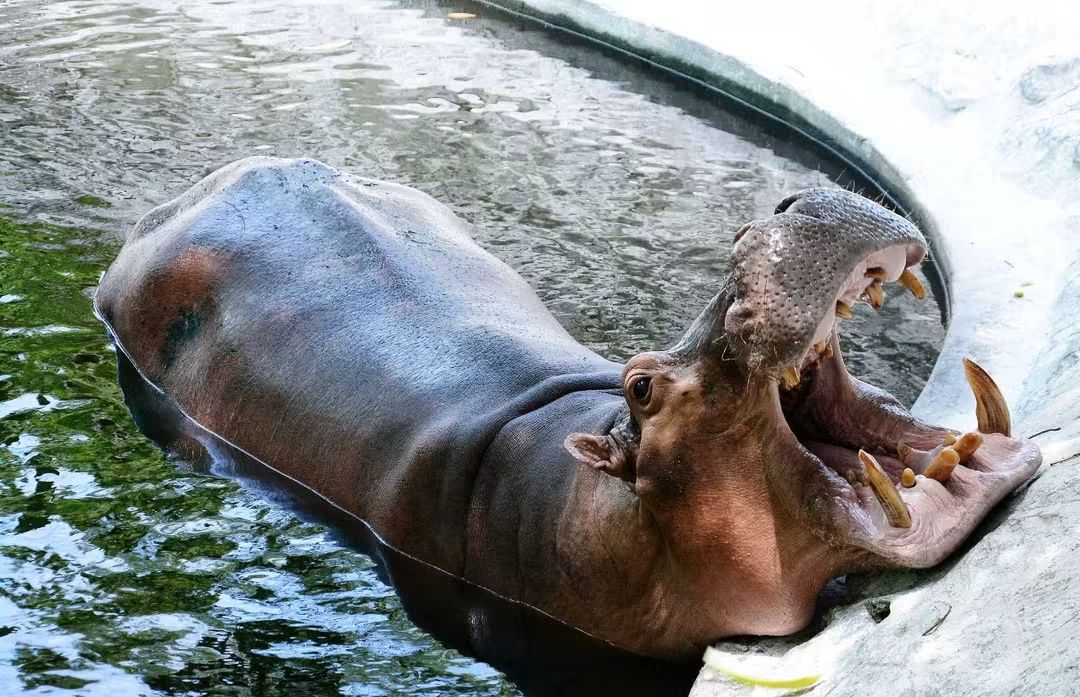
The hippopotamus (Hippopotamus amphibius) is a massive, semi-aquatic African mammal and the third-largest land mammal (after elephants and rhinos), with a barrel-shaped body, short legs, and nearly hairless gray-brown skin.

Note

Hippopotamus is classified as Vulnerable (VU) on the IUCN Red List.

Find this animal on the Map

Visitor Tips

  • Visit in the morning for cooler weather and active wildlife sightings
  • Follow all park safety signs and park rangers' instructions
  • Do not feed free-roaming wildlife without staff authorization
Browse More Wildlife